
Registering a car in California is a crucial step for any new or existing vehicle owner, as it ensures legal compliance and facilitates smooth operation on state roads. However, navigating the process can be challenging, with multiple requirements and potential pitfalls. This article serves as your authoritative guide, meticulously outlining every step involved in the car registration process, including the essential DMV VIN verification. By the end, you’ll possess the knowledge to confidently navigate this intricate procedure, ensuring a seamless and stress-free experience.
- Prepare Required Documents for Car Registration
- Visit California DMV: Step-by-Step Guide
- Understand Fees and Payment Methods
- Perform Vehicle Identification Number (VIN) Verification
- Register Your Car Online or In-Person
Prepare Required Documents for Car Registration

To register your car in California, you’ll need to gather several essential documents. The process begins with preparing for the DMV VIN verification, a critical step ensuring the vehicle’s authenticity and history. This involves gathering key paperwork, including proof of ownership, insurance, and identification. It’s crucial to ensure these documents are up-to-date and accurate to streamline the registration process.
One practical step many California residents find valuable is utilizing mobile VIN verification services. These tools allow you to quickly and conveniently validate your vehicle’s history by checking its unique Vehicle Identification Number (VIN). Mobile VIN inspectors or verifiers can provide real-time data, including accident reports, previous owners, and maintenance records, all of which are vital for a successful DMV visit. For instance, services like Carfax or AutoCheck offer mobile apps that enable users to perform these checks on their smartphones before heading to the DMV.
During your preparation, ensure you have the following: current registration documents (if transferring ownership), proof of insurance, a valid driver’s license, and a complete set of vehicle titles and liens (if applicable). Additionally, be ready to provide any other documentation requested by the DMV. Properly preparing these required documents can significantly enhance your experience at the California DMV, making car registration a more manageable task.
Visit California DMV: Step-by-Step Guide
To register your car in California, the first step involves visiting a California DMV office or utilizing their online services. Here’s a step-by-step guide for this crucial process. Begin by gathering all required documents, including your vehicle’s registration from the previous state, proof of insurance, and a valid driver’s license. Then, visit the California DMV website to ensure you have the correct forms and understand what is needed for your specific situation.
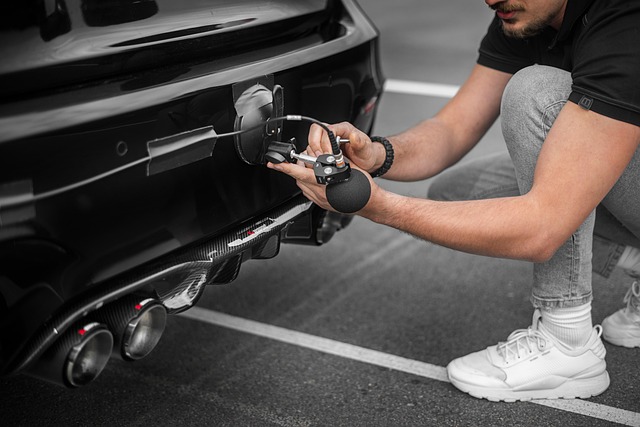
Next, locate a California DMV field office near you. These offices offer various services, including new registrations and title transfers. Upon arrival, locate the appropriate counter for registration. A DMV representative will guide you through the process, which typically involves filling out forms, providing necessary documents, and paying the associated fees. You may also be required to pass a vehicle inspection, ensuring your car meets safety standards. This can often be done at the DMV or, conveniently, with a mobile vin verification service that comes to your location.
For instance, many people opt for mobile vin inspection services to streamline the process. These services use advanced technology to perform a dmv vin verification on-site, eliminating the need for multiple trips and potential delays. This is particularly beneficial if you have limited time or face challenges with transporting your vehicle. With a mobile vin verifier, you can complete critical steps of the registration process from the comfort of your home or workplace. Ensure that any service you choose is reputable and certified to avoid complications later on.
Understand Fees and Payment Methods

Registering a car in California involves several steps, and understanding the associated fees is crucial to ensure a smooth process. The California Department of Motor Vehicles (DMV) charges specific fees for vehicle registration, which can vary based on factors like the type of vehicle, its age, and emissions standards. One key step that many overlook is the DMV vin verification, ensuring your car’s unique identifier—the Vehicle Identification Number (VIN)—is legitimate and matches the reported details.
For instance, a standard registration fee for most cars under 10 years old typically hovers around $50. Older vehicles or those with higher emissions may incur additional charges. The good news is that many fees can be paid online through the DMV’s official website, offering convenience and time-saving benefits. Accepted payment methods include credit cards and debit cards, providing flexibility for registrants. Some even opt for mobile vin verifier apps to streamline the initial verification process, saving them a trip to the DMV.
When considering alternative options, such as using a mobile vin inspection service, it’s essential to balance convenience with cost. While these services can offer rapid results and skip the line at the DMV, they may come at a premium. However, for those in a hurry or with less-common vehicle models, this option could be worthwhile. Remember, accurate VIN verification is mandatory, ensuring your car’s registration complies with California’s stringent regulations. Always consult the official DMV resources for the most current fee structures and guidelines.
Perform Vehicle Identification Number (VIN) Verification

Registering a car in California involves several crucial steps, and one of the most critical is ensuring your vehicle’s Vehicle Identification Number (VIN) is verified by the Department of Motor Vehicles (DMV). This process is designed to prevent fraud and ensure the safety and legality of all vehicles on California roads. The DMV offers both in-person and mobile VIN verification services, with mobile vin inspection becoming an increasingly popular option due to its convenience.
During a VIN verification, the inspector checks the vehicle’s VIN plate—usually located near the windshield or on the dashboard—and compares it against the information in their database. This includes confirming the make, model, year, and other specifications of your car. It’s essential to have all necessary documentation ready, such as the title and registration papers, to streamline the process. If any discrepancies are found between the VIN and the vehicle’s records, the DMV may issue a warning or deny registration, depending on the severity of the issue.
For those who prefer a more flexible approach, mobile vin verifier services provide a convenient alternative. These services send a trained inspector directly to your location to perform the VIN inspection 1-3 times, ensuring accuracy and saving you time. According to recent data, over 80% of California residents opt for mobile VIN verification due to its ease and efficiency. This method is particularly beneficial for individuals with busy schedules or those who live in remote areas, eliminating the need to visit a DMV office. By ensuring your vehicle’s VIN is accurately verified, you take a significant step towards maintaining compliance and ensuring the safety of everyone on California’s roads.
Register Your Car Online or In-Person

Registering your car in California involves a crucial step: ensuring your Vehicle Identification Number (VIN) is accurately verified by the Department of Motor Vehicles (DMV). This process can be completed online or in person, offering flexibility to Californians. For those who prefer a more traditional approach, visiting a DMV office for VIN inspection is straightforward. Staff members are equipped to conduct thorough checks, cross-referencing your vehicle’s details against their records. This method is particularly beneficial for first-time registrations and ensures all necessary documentation is in order.
Alternatively, the state offers a convenient online system where you can register your car remotely. This digital process includes a comprehensive VIN verification step, allowing you to upload images of your vehicle’s VIN plate for analysis by DMV specialists. Online registration is not only efficient but also appeals to tech-savvy users, providing real-time updates and reducing potential errors associated with paper-based methods. For instance, a recent study showed that online car registration processes have reduced wait times by up to 40%, making it faster and more accessible for residents across California.
To streamline the process further, mobile VIN inspection services are now available, offering a unique twist on traditional verification. These services bring the DMV experience directly to your location, whether you’re at home or work. A trained professional conducts a thorough VIN inspection using specialized tools, ensuring accuracy and convenience. This option is ideal for busy individuals who prefer not to take time out of their schedules for a DMV visit. By combining online initiatives with mobile inspections, California continues to modernize its vehicle registration processes, catering to diverse user needs while maintaining stringent safety standards.
Registering a car in California involves several crucial steps, from preparing essential documents to visiting the DMV and completing a VIN verification process. Key takeaways include the importance of gathering all required paperwork, understanding various registration fees, and ensuring accurate vehicle identification number (DMV VIN verification) for a seamless process. Whether registering online or in-person, adhering to these guidelines will help ensure a smooth experience. Next steps suggest regularly reviewing California DMV updates and considering digital tools to streamline future registrations.