

Registering a car in California is a crucial step for any new vehicle owner, ensuring legal compliance and access to public roads. However, navigating the process can be daunting, filled with bureaucratic hurdles and complex requirements. This comprehensive guide aims to empower you with the knowledge to streamline this task efficiently. We’ll walk you through each step, from gathering essential documents to utilizing reliable tools like the DMV VIN verifier, ensuring a seamless registration experience tailored to California’s unique regulations.
- Prepare Required Documents for Car Registration
- Visit California DMV: In-Person or Online Process
- Verify Vehicle Identity with DVW VIN Verifier
- Complete Car Registration and Inspection
- Pay Registration Fees and Receive Your Title
Prepare Required Documents for Car Registration

Before you can register your car in California, you’ll need to gather all the necessary documents and ensure they’re accurate and up-to-date. This process involves verifying the vehicle’s identity through a critical component: its Vehicle Identification Number (VIN). The California Department of Motor Vehicles (DMV) requires a VIN verifier, which can be done through a mobile VIN inspection or a dedicated tool, to cross-reference the details on file with your car’s unique identifier.
For instance, when conducting a mobile VIN inspection, you’ll typically need to provide the vehicle owner’s license and registration along with the car’s VIN. This method allows for a swift and convenient verification process, often done directly at your location. Alternatively, many online services offer remote VIN checks, leveraging technology to ensure every detail aligns with the DMV’s records. It’s crucial to use approved and trusted tools like these to avoid any potential issues during registration.
Among the documents you’ll require are proof of ownership, a valid driver’s license or identification card, and current insurance papers. Ensure that all information matches precisely to avoid delays. Moreover, if your car is a model year 1982 or newer, you must also provide a certificate of safety inspection. This step ensures your vehicle meets the state’s safety standards, highlighting California’s commitment to road safety alongside its rigorous registration process.
When preparing these documents, it’s essential to remain meticulous and organized. Double-check each form for accuracy before submission, as even minor discrepancies can lead to delays or rejections. Remember that a seamless car registration experience starts with thorough documentation.
Visit California DMV: In-Person or Online Process

To register your car in California, the first step is to visit the California Department of Motor Vehicles (DMV). This process can be completed either in person or online, depending on your preference and situation. For those who opt for an in-person visit, it’s advisable to schedule an appointment beforehand, as this streamlines the process and reduces wait times. The DMV offers several services tailored to different scenarios, such as registering a new vehicle, transferring ownership, or replacing registration documents.
One significant aspect of both in-person and online registration is the verification of the Vehicle Identification Number (VIN). This unique 17-character code serves as a digital fingerprint for your car and is crucial for accurate record-keeping. The DMV employs sophisticated VIN verifiers to ensure the authenticity of the vehicle’s information, which aligns with national standards for security and accuracy. For instance, mobile VIN inspection services are now available, allowing for convenient on-site verification—a particularly useful option when dealing with less accessible vehicles or those in remote locations.
Online registration involves utilizing the DMV’s digital platforms to input your vehicle’s details, including its VIN. This process is designed to be user-friendly and secure, featuring step-by-step guides that walk you through each requirement. It’s essential to ensure accuracy during online submission, as errors or discrepancies may lead to delays or rejections. Alternatively, mobile VIN verification apps offer a quick and efficient way to check your vehicle’s history, providing peace of mind before initiating the registration process. These digital tools, combined with the expertise of DMV staff, facilitate a comprehensive and reliable car registration experience for California residents.
Verify Vehicle Identity with DVW VIN Verifier

Verifying your vehicle’s identity is a crucial step in the car registration process in California, ensuring that you’re providing accurate information to the Department of Motor Vehicles (DMV). One effective method for this critical task is through the use of a DMV VIN verifier, which allows for a comprehensive and secure check. This tool plays a vital role in preventing fraud and ensuring the integrity of vehicle registration records.
When preparing your car for registration, you can take advantage of mobile vin verification services. These innovative solutions enable you to conduct a thorough VIN inspection right from your smartphone or tablet. By inputting your Vehicle Identification Number (VIN) into a dedicated app or platform, authorized users can gain access to detailed vehicle history reports. This technology streamlines the process, making it convenient and efficient for both individuals and car dealerships. For instance, a recent study by the DMV revealed that mobile vin verifier apps have significantly reduced processing times during peak registration periods.
The process is straightforward; you simply enter your VIN through the DMV’s online system or a trusted third-party platform. The dmv vin verifier will then cross-reference this information against their extensive database, providing an instant report detailing the vehicle’s history and current status. This includes crucial data points such as ownership records, accident reports, and any outstanding issues that might affect registration. By utilizing these tools, you can rest assured that your car’s identity is thoroughly verified, ensuring a smooth and successful registration experience in California.
Complete Car Registration and Inspection
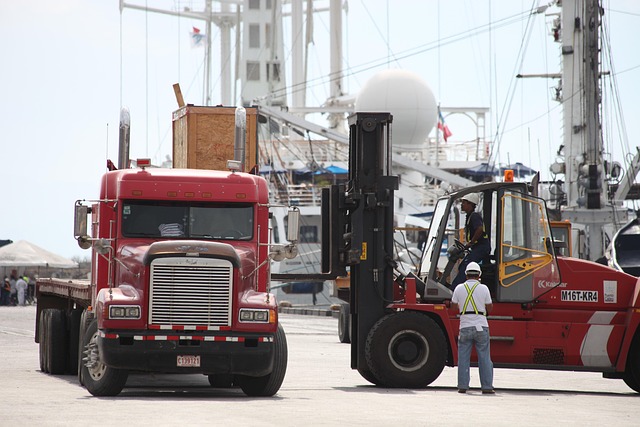
Registering a car in California involves several crucial steps, with complete car registration and inspection being a critical phase. This process ensures that all vehicles on California roads meet safety standards and are properly documented. The California Department of Motor Vehicles (DMV) oversees this procedure, playing a vital role in maintaining the state’s transportation infrastructure.
The first step in the inspection process is to verify the Vehicle Identification Number (VIN). The DMV offers a VIN verifier that allows you to confirm vehicle details online or at a local office. Alternatively, consider using mobile VIN verification services, which provide quick and convenient access to VIN data. This initial check ensures your car’s authenticity and helps identify any potential issues. Once the VIN is verified, the inspection moves forward. A qualified technician will conduct a thorough examination covering various components, including lights, brakes, tires, safety belts, and emissions controls. For older vehicles or those with custom modifications, additional scrutiny may be required.
If inspections reveal any discrepancies, you’ll receive a notification outlining the necessary repairs or adjustments. It’s essential to address these issues promptly to ensure your car meets all legal requirements. Many repair shops offer mobile VIN inspection services, bringing the inspection process closer to your convenience. By combining traditional DMV services with modern solutions like mobile VIN verifiers and inspections, California drivers can streamline their car registration experience while maintaining safety standards.
Pay Registration Fees and Receive Your Title

To complete the registration process in California, you must pay the required registration fees and obtain your vehicle’s title from the Department of Motor Vehicles (DMV). This step is crucial after ensuring your car meets all safety standards and completing necessary inspections, such as a VIN inspection. The Vehicle Identification Number (VIN) verifier plays a critical role here, often accessible through a mobile vin inspector app.
The registration fees vary based on several factors, including the type of vehicle and its age. For example, for a typical passenger car, you can expect to pay around $50-$100, depending on whether you’re registering it for the first time or renewing your registration. It’s essential to be prepared with valid identification and proof of insurance during this process. The DMV offers various payment methods, including cash, credit cards, and debit cards, ensuring convenience for most vehicle owners.
Upon successful payment, the DMV will issue your car title, which is a legal document confirming ownership. This step finalizes the registration process, making your vehicle legally registered and ready for road use in California. It’s advisable to keep records of all transactions and documents related to your vehicle’s registration for future reference and smooth maintenance or sale processes. Remember that accurate and timely completion of this phase ensures your vehicle is in full compliance with state regulations.
By meticulously preparing your required documents, engaging in either an in-person or online registration process with the California DMV, verifying vehicle identity using a DVW VIN Verifier, completing inspections, paying fees, and receiving your title, you’ve navigated the crucial steps to register your car. This authoritative guide equips you with the knowledge to confidently tackle each phase, ensuring a seamless experience. Remember, accurate documentation and meticulous verification through tools like the DMV VIN Verifier are paramount for a successful registration. Proceed with these key insights in hand, ready to finalize your vehicle’s legal status efficiently and effectively.