

Registering a car in California is a crucial step for any new or existing vehicle owner. It ensures your vehicle’s legal status, facilitates smooth operation on public roads, and can impact insurance rates. However, the process isn’t always straightforward, with various requirements and potential pitfalls. From gathering necessary documents to verifying the Vehicle Identification Number (VIN), navigating these steps without guidance can be daunting. This article serves as a comprehensive guide, offering step-by-step instructions and expert insights on how to register your car in California, ensuring a stress-free and efficient experience. We’ll even delve into the importance of using a reliable VIN verifier for accuracy and security.
- Prepare Necessary Documents for Car Registration in California
- Understand the Role of the Vehicle Identification Number (VIN Verifier)
- Gather Vehicle History Information: A Step-by-Step Guide
- Submit Applications and Fees: Completing the Registration Process
- Register Your Car Online or In-Person: Tips for Success
Prepare Necessary Documents for Car Registration in California

To register a car in California, you’ll need to gather specific documents, ensuring everything is in order for a smooth process. One crucial step is verifying your Vehicle Identification Number (VIN). This is where a mobile VIN inspection or verification service can be immensely helpful. Many services offer convenient and accurate methods to confirm the vehicle’s identity using a portable device or online tool, including a VIN verifier app.
In California, you’ll require several key documents, such as proof of ownership, which could be a bill of sale or a previous registration, along with your valid driver’s license. If you’ve recently purchased the car, the seller should provide a completed odometer reading and any applicable emissions test results. It’s also essential to have insurance information handy as it’s mandatory in California. These documents collectively ensure that both the vehicle and its owner are legitimate.
Additionally, some services offer mobile VIN verification, allowing you to check your vehicle’s history from the comfort of your home or even while at a registration center. This digital process cross-references your VIN with multiple databases, providing detailed information about the car’s past, including any accidents or outstanding loans. For instance, data from the National Motor Vehicle Title Information System (NMVTIS) can reveal if a vehicle has been reported stolen, damaged in an accident, or subject to flood damage. By utilizing these resources, you’re better equipped to make informed decisions during registration and avoid potential issues down the road.
Understand the Role of the Vehicle Identification Number (VIN Verifier)

Registering a car in California involves several crucial steps, one of which is ensuring accurate and legitimate vehicle identification number (VIN) verification. The VIN, a unique code etched into every vehicle’s chassis, serves as a digital fingerprint, vital for identifying the vehicle’s history, specifications, and any potential issues. In this context, a VIN verifier acts as a critical tool in the registration process, facilitating a thorough inspection that goes beyond simple visual assessment.
For instance, consider a scenario where a consumer purchases a used car. Without a reliable VIN verification process, they might unknowingly acquire a vehicle with undisclosed problems, such as prior accidents or outstanding recalls. This is where mobile VIN inspection services come into play. These services use advanced technology to conduct real-time VIN verifications, checking against extensive databases to uncover any hidden issues. According to recent studies, over 20% of vehicles sold in California have some form of undisclosed history, making a comprehensive VIN check imperative.
A professional VIN verifier ensures that every aspect of the vehicle’s code—from engine specifications to safety features—matches the manufacturer’s records. This includes performing checks against state and national databases for outstanding issues or discrepancies. By integrating mobile VIN verification into the registration process, California’s Department of Motor Vehicles (DMV) aims to enhance transparency and consumer protection, ensuring that every registered vehicle is safe and compliant with legal standards. This approach not only streamlines the registration procedure but also fosters a more reliable and secure automotive market.
Gather Vehicle History Information: A Step-by-Step Guide
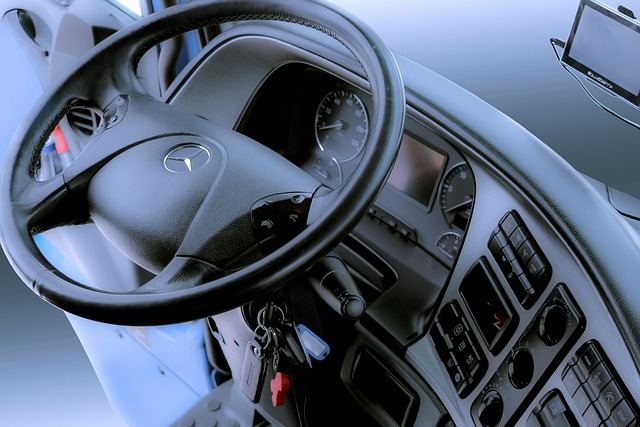
Before registering your car in California, gathering comprehensive vehicle history information is a crucial step. This involves obtaining detailed records about the car’s past, which can be achieved through various means, including mobile VIN verification services. Start by locating the Vehicle Identification Number (VIN) on the vehicle—it’s typically found on the driver’s side of the dashboard or under the hood. Once you have the VIN, utilize a reliable online tool for mobile VIN verification to access crucial data points such as ownership history, accident records, and odometer readings.
For instance, many professional services allow you to perform a simple lookup by entering the VIN into their platform. Within seconds, you’ll receive a comprehensive report detailing the vehicle’s journey since its manufacturing. This is especially important in California, where vehicles must pass an inspection to ensure they meet safety and emissions standards. A thorough understanding of the car’s history enables you to identify any potential issues or discrepancies that may impact the registration process.
Consider using a reputable mobile VIN verifier to access these insights conveniently. These tools not only streamline the process but also provide real-time data, ensuring accuracy in your vehicle inspection. For instance, if the report reveals a significant accident history, you can address this proactively during the registration by providing additional documentation to the California Department of Motor Vehicles (DMV). By taking these proactive steps, you’re better equipped to navigate the registration process and ensure a smooth experience.
Submit Applications and Fees: Completing the Registration Process

To complete the car registration process in California, after gathering all necessary documents and passing the vehicle inspection, you’ll need to submit applications and fees. This crucial step involves several key actions. First, secure the necessary forms from the California Department of Motor Vehicles (DMV). You can obtain these either online or in person at a local DMV office. Among these, the Vehicle Registration Application (Form DV-140) is essential, detailing vehicle information and owner details.
Next, prepare your payment for the registration fee. The amount varies based on vehicle type and age but can often be paid online through the DMV’s secure portal or at a nearby DMV branch using cash, check, or credit card. Alongside this, there might be additional fees for emissions testing or other services, ensuring your vehicle meets environmental standards. It’s advisable to verify these fees in advance to avoid any surprises.
Now, if you’ve undergone a recent vin inspection or are seeking a more convenient option, consider mobile vin verification. Many professional services offer this, allowing you to validate the vin (Vehicle Identification Number) of your car from the comfort of your home or office. This step is vital for ensuring the vehicle’s history and authenticity, as it checks against national databases, providing peace of mind and preventing potential fraud. Examples include online platforms that connect you with licensed inspectors who can perform a mobile vin inspection at your convenience, streamlining the process further.
Once all applications are complete and fees are settled, submit them to the DMV. They will process your registration, update their records, and provide you with the official vehicle registration documents. This concludes the administrative side of car registration, ensuring your vehicle is legally registered and ready for California’s roads.
Register Your Car Online or In-Person: Tips for Success

Registering a car in California is a crucial process that ensures your vehicle complies with state regulations. Whether you opt for online or in-person registration, understanding the requirements and best practices can make the experience smoother. Online registration offers convenience and speed, allowing you to complete the process from the comfort of your home. Start by gathering essential documents, such as proof of ownership, vehicle identification number (VIN) verification, and driver’s license. Accurately entering your vehicle information is paramount; a VIN verifier, whether mobile or online, can help ensure the numbers are correct, minimizing delays.
In-person registration provides an opportunity for direct interaction with DMV staff, which can be beneficial if you have any questions or concerns. Bring all required documents, including proof of insurance and any necessary forms. When presenting your vehicle, a thorough inspection may be conducted, focusing on components like lights, horn, and safety features. This inspection, sometimes referred to as a VIN inspection, ensures your car meets California’s safety standards.
For added convenience, many counties in California now offer mobile VIN verification services, allowing you to check your vehicle’s history from anywhere. Utilizing these tools can help streamline the registration process, saving time and effort. Remember, whether online or in-person, accurate documentation and a thorough understanding of requirements are key to a successful car registration experience.
By meticulously preparing the required documents, utilizing the services of a VIN verifier, gathering comprehensive vehicle history information, and successfully navigating the application process with the appropriate fees, you can seamlessly register your car in California. This authoritative guide has equipped you with the knowledge to efficiently complete the registration, ensuring your vehicle is legally recognized and ready for California’s roads. The key insights highlight the importance of accurate documentation, the role of technology like the VIN verifier, and the step-by-step approach to a smooth registration experience. With these practical steps in mind, you’re now empowered to register your vehicle with confidence and ease.