

Registering a car in California is a crucial step for any new owner, ensuring legal compliance and ownership rights. However, navigating the process can be complex, especially with stringent regulations and varying requirements across regions. This article serves as your authoritative guide to demystifying the car registration procedure, highlighting the essential steps and providing invaluable insights. We’ll delve into every aspect, from gathering necessary documents to the crucial DMV VIN verification process, ensuring a seamless and informed experience tailored to California’s unique automotive landscape.
- Gather Required Documents for Car Registration
- Prepare Your Vehicle for DMV Inspection
- Conduct a Comprehensive Vehicle History Check (DMV VIN Verification)
- Fill Out the California Car Registration Application
- Submit and Pay for Your Car Registration
Gather Required Documents for Car Registration

Before registering your car in California, you’ll need to gather several crucial documents, ensuring a smooth and efficient process. This step is essential for any vehicle owner, as it confirms your car’s legitimacy and ensures compliance with state regulations. One of the critical requirements is accurate and verifiable Vehicle Identification Number (VIN) data, which can be obtained through various methods, including mobile VIN verification and inspection.
For California residents, the Department of Motor Vehicles (DMV) requires a detailed VIN verification process. This involves confirming the vehicle’s make, model, year, and other specifications to ensure they match the recorded data on the car’s title and registration documents. Mobile VIN verification services have become increasingly popular for their convenience and accuracy. These services allow owners to obtain a digital report within minutes, detailing the vehicle’s history, including any previous accidents or major repairs, which is vital information when registering a used car. For instance, a study by the National Automobile Dealers Association (NADA) found that over 80% of used cars have some form of reported history, emphasizing the importance of thorough VIN inspection, whether conducted manually or through mobile apps.
Additionally, you’ll need to provide proof of insurance, vehicle ownership (title), and identity documents such as a valid driver’s license. It’s advisable to check the DMV’s website for an updated list of acceptable documents to avoid any delays. Some counties in California also require additional forms or fees, so double-checking with your local authority is essential. By gathering these required documents, you’re well on your way to successfully registering your vehicle without unnecessary complications.
Prepare Your Vehicle for DMV Inspection

Before you can register your car in California, ensure it’s prepared for a thorough DMV inspection. This process involves verifying critical vehicle information through what’s known as a VIN (Vehicle Identification Number) inspection. The California Department of Motor Vehicles (DMV) conducts these checks to ensure all vehicles on the road meet safety and environmental standards. For convenience, many owners opt for a mobile VIN inspection service that can come to them, making it easier to complete the registration process without unnecessary hassle.
During this phase, expect the DMV to cross-reference your vehicle’s VIN with their databases to confirm its authenticity and history. This includes verifying the make, model, year, and other essential details. Modern vehicles often include a digital readout of the VIN on various components within the car, making it easier for inspectors to locate and record this critical information. However, if your vehicle is older or has undergone modifications, be prepared with documentation or additional means to confirm its identity.
To streamline the preparation process, maintain accurate records of your vehicle’s maintenance history, especially recent work. This documentation can significantly speed up the inspection process, as it demonstrates proactive care and ownership. Moreover, ensure that any necessary repairs or upgrades are in line with California’s safety regulations to avoid delays or rejections during the registration. By proactively preparing your vehicle for a DMV VIN inspection, you’ll make the registration experience smoother and potentially save valuable time.
Conduct a Comprehensive Vehicle History Check (DMV VIN Verification)
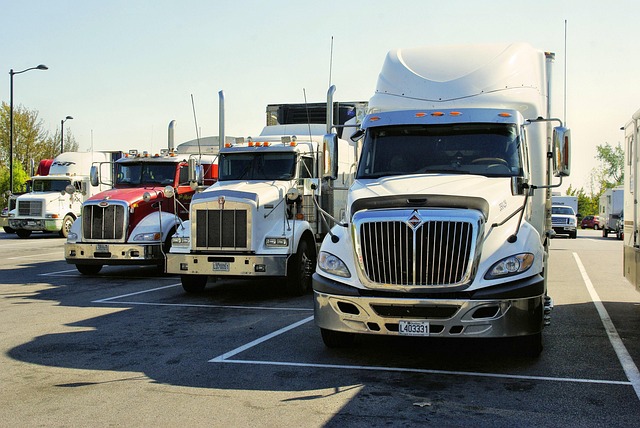
Before registering your car in California, conducting a comprehensive vehicle history check is an essential step. This involves utilizing the DMV’s Vehicle Identification Number (VIN) verification process, which provides critical insights into a car’s past and ensures it meets safety standards. The California Department of Motor Vehicles (DMV) offers this service as a way to combat fraud and ensure consumer protection.
During the VIN verification process, you’ll need to provide your vehicle’s unique VIN number to the DMV. They will then cross-reference this information with their databases to gather data on the car’s history, including previous owners, accident records, and any reported issues or recalls. This is where a mobile vin inspection or mobile vin verifier can prove invaluable—it allows you to conduct this check efficiently before submitting your registration application. For instance, many professional mobile vin verification services offer on-site testing, saving time and effort by eliminating the need for frequent visits to DMV offices.
Having access to this information is crucial as it helps identify potential red flags that could impact the car’s safety or value. According to recent data, up to 20% of vehicles with altered or hidden histories have been involved in undisclosed accidents, which can compromise structural integrity and safety standards. By utilizing mobile vin verification services, California residents can gain peace of mind, ensuring their vehicle is safe and compliant before finalizing the registration process.
Fill Out the California Car Registration Application

To register your car in California, you’ll need to complete several steps, one of which is filling out the California Car Registration Application. This form is crucial for establishing ownership and ensuring your vehicle complies with state regulations. Begin by gathering essential documents such as proof of insurance, a valid driver’s license, and the Vehicle Identification Number (VIN) from your car—a 17-character code unique to each vehicle. The VIN is critical; it facilitates the DMV vin verification process, which cross-references your vehicle’s details against state records.
California offers both in-person and online registration options. If opting for an in-person visit, head to a local California Department of Motor Vehicles (DMV) office with your documents. A mobile VIN verifier can be particularly useful here, as it allows you to quickly and accurately capture your car’s VIN during your visit. This is especially beneficial if you’re dealing with a less common vehicle or have experienced issues with previous registration attempts. Online registrants should input their VIN digitally; the system will perform an internal vin inspection to validate the data.
Filling out the application accurately is paramount. Incomplete or incorrect information can delay processing, potentially leading to additional fees and inconvenience. Double-check all details against your documentation before submitting. Once processed, you’ll receive a registration certificate and license plate, completing your car’s registration in California. Regularly updating your contact information and keeping your vehicle in good working order are essential parts of responsible ownership—and they ensure smooth vin inspection processes during future registrations.
Submit and Pay for Your Car Registration

Submitting and paying for your car registration is a crucial step in the process of registering your vehicle in California. Once you’ve gathered all the necessary documents and ensured your vehicle meets safety standards, it’s time to take this final step. The California Department of Motor Vehicles (DMV) offers several convenient options for submitting your application, including online, by mail, or in-person. However, for a streamlined experience, many drivers opt for mobile VIN verification services.
These services allow you to complete the initial verification process remotely, saving time and effort. A mobile VIN verifier can perform what’s known as a DMV VIN verification, confirming your vehicle’s identity and history through its unique Vehicle Identification Number (VIN). This step is critical because it helps prevent fraud and ensures that your car matches the details provided in its registration documents. Many reputable services offer this mobile vin inspection service, making it accessible for even the busiest drivers.
After successful VIN verification, you can proceed with paying the registration fee. The cost varies based on factors like your vehicle’s type and age. It’s essential to understand these fees in advance, as some services might charge additional processing costs on top of the DMV fees. Once the payment is processed, you’ll receive your official vehicle registration documents in the mail within a specified timeframe. Always keep these records handy, as they’re required for annual renewals and other administrative tasks related to your vehicle.
By meticulously gathering all necessary documents, preparing your vehicle for a successful DMV inspection, conducting a comprehensive vehicle history check, diligently filling out the California car registration application, and securely submitting with payment, you’ve taken significant steps to ensure a seamless car registration process. The key insights gained from this article—from the importance of proper documentation to the necessity of a thorough DMV VIN verification—equip you with the knowledge required to navigate this procedure efficiently and confidently. These practical next steps will empower you to register your vehicle in California with ease and assurance, reflecting the authoritative guidance provided in this comprehensive guide.