

Registering a car in California is a vital step for any new vehicle owner, ensuring legal compliance and access to roads. However, the process can be cumbersome, with many stepping stones and potential pitfalls. From gathering necessary documents to navigating complex forms, it’s easy to feel overwhelmed. This authoritative guide provides a comprehensive, step-by-step approach to streamline the registration process. We’ll delve into the essential requirements, including the crucial role of the DMV VIN verifier, to ensure a smooth and efficient experience. By the end, you’ll be equipped to register your vehicle with confidence.
- Gather Necessary Documents for Car Registration
- Prepare Your Vehicle for DMV Inspection Using VIN Verifier
- Visit Your Local California DMV Office or Use Online Services
- Complete the Registration and Title Application Form Accurately
- Pay the Registration Fees and Receive Your Vehicle's License Plate
Gather Necessary Documents for Car Registration

Before you begin the registration process, it’s crucial to gather all the essential documents. This step is a fundamental part of the car registration journey in California. You’ll need several key pieces of information and paperwork to ensure a smooth and efficient experience. One critical tool in this process is a reliable DMV VIN verifier, like a mobile VIN verification service, which can streamline the initial checks. These services, often available through dedicated apps or websites, allow you to confirm key vehicle details, including its history and any outstanding issues, by simply inputting the Vehicle Identification Number (VIN). This digital approach, including mobile VIN inspection, can save time and provide peace of mind.
For instance, when using a mobile VIN verifier, you might instantly access a report detailing the vehicle’s past owners, accident history, and outstanding loans or liens. Such transparency is vital for buyers and sellers alike, ensuring a legitimate and safe transaction. Furthermore, having these documents ready demonstrates your preparedness and helps avoid delays at the DMV. California requires original or certified copies of the following for car registration:
1. Valid driver’s license or state ID card.
2. Proof of vehicle ownership, such as a title or purchase agreement.
3. Current auto insurance policy and proof of coverage.
4. Vehicle inspection report, often obtained from a certified inspector or, in some cases, through mobile VIN inspection services.
5. Registration fee payment, which can be made online or at designated DMV locations.
It’s advisable to check the California DMV’s official website for the most up-to-date list of requirements and any specific guidelines related to your vehicle type. By proactively gathering these documents, you’ll be well-prepared to navigate the car registration process efficiently, whether you’re doing it in-person or utilizing modern digital tools for mobile VIN verification.
Prepare Your Vehicle for DMV Inspection Using VIN Verifier

Preparing your vehicle for a DMV inspection is a crucial step in the car registration process in California. One of the key aspects to keep in mind is ensuring your vehicle meets all safety standards and legal requirements. To streamline this process, utilizing a DMV vin verifier can be immensely beneficial. This tool facilitates a thorough verification of your vehicle’s identity through its unique Vehicle Identification Number (VIN).
A mobile VIN inspection or verification using a specialized mobile VIN verifier is an efficient way to accomplish this task. These portable devices allow for on-site checks, which can save you time and effort, especially if you’re dealing with an older vehicle that may have more complex issues. Many modern DMV offices in California now accept mobile VIN verifications, making the registration process smoother. For instance, a study by the California Department of Motor Vehicles (DMV) revealed that using mobile vin verification reduced processing times by up to 20% compared to traditional inspection methods.
When preparing for your DMV visit, gather all necessary documentation and ensure your vehicle is in good condition. If you’re unsure about any potential issues, consider engaging a trusted mechanic or utilizing a mobile VIN verifier to conduct a preliminary check. This proactive approach can help identify problems early on, preventing delays during the registration process. Remember, a well-prepared vehicle and efficient verification methods contribute significantly to a seamless car registration experience in California.
Visit Your Local California DMV Office or Use Online Services
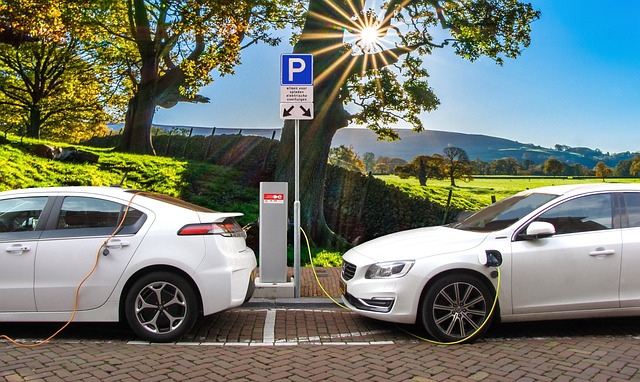
Registering a car in California involves several steps, and one of the key processes is visiting your local California DMV office or utilizing online services. The Department of Motor Vehicles (DMV) plays a crucial role in ensuring the safety and legality of vehicles on California roads. When you visit a DMV office, you’ll need to present specific documents and pass inspections to validate your vehicle’s identity, known as a Vehicle Identification Number (VIN) inspection. This process is designed to prevent fraud and ensure the security of vehicle registration.
For convenience, California offers both in-person and online registration options. In-person visits require you to schedule an appointment and bring essential documents like proof of ownership, vehicle registration, and identification. A DMV representative will then perform a thorough VIN inspection, which includes checking the vehicle’s history and ensuring it meets safety standards. Alternatively, you can utilize the DMV’s online services, which provide a streamlined process for submitting applications and scheduling appointments. Online platforms often incorporate advanced features like a DMV VIN verifier to cross-check vehicle information, enhancing accuracy and efficiency.
If you’re opting for a mobile VIN inspection, many professional services now offer this option. These mobile verifiers can perform real-time checks, ensuring your vehicle’s details are up-to-date and accurate. This service is particularly beneficial for those who prefer the convenience of having the inspection done at their location, whether it’s at home or the office. With the help of these modern tools, registering a car in California has become more accessible and efficient, allowing you to hit the roads legally and with peace of mind.
Complete the Registration and Title Application Form Accurately

Registering a car in California involves a meticulous process, and one crucial step is completing the Registration and Title Application Form accurately. This form is your gateway to legal ownership, and any errors could lead to delays or complications down the line. The California Department of Motor Vehicles (DMV) emphasizes the importance of precision, especially when it comes to the Vehicle Identification Number (VIN). Accurate VIN entry is facilitated through the DMV’s vin verifier, accessible both online and in some cases, through mobile vin inspection services.
When filling out the form, ensure that the VIN is transcribed perfectly. This unique 17-character code is the key to identifying your vehicle and its history. A simple mistake in the VIN can cause delays in processing, so double-check the number against the vehicle’s title, registration, or even the dashboard sticker. If you’re unsure, consider utilizing a mobile vin verification service. These services, often app-based, allow you to quickly and conveniently confirm the VIN’s accuracy through a simple scan. This modern approach to traditional vehicle inspection streamlines the registration process, particularly for those with busy schedules.
Another practical tip is to keep records of all your documents. Collect and organize important papers, such as the vehicle’s title, insurance proof, and any previous registration documents. This documentation will assist in the verification process and ensure a smooth transition during the registration. Remember, attention to detail is paramount when navigating the car registration process in California. By accurately completing the forms and utilizing available tools like the DMV vin verifier and mobile vin inspection, you’ll set yourself on the path to successful and timely vehicle registration.
Pay the Registration Fees and Receive Your Vehicle's License Plate

Registering a car in California involves several crucial steps, one of which is paying the registration fees and obtaining your vehicle’s license plate. After completing the initial paperwork at the California Department of Motor Vehicles (DMV), the next phase centers on ensuring your vehicle meets all safety and emission standards through a process that includes utilizing a DMV VIN verifier. This tool verifies critical information linked to your vehicle’s unique Vehicle Identification Number (VIN).
To streamline this process, many residents opt for modern solutions like mobile VIN verifiers. These applications provide a convenient, often instantaneous, method of checking a vehicle’s history and compliance status. For instance, a mobile VIN inspection can reveal prior accidents, outstanding recalls, or tampering, empowering you to make informed decisions before committing to registration. Data from the DMV indicates that proper VIN verification contributes significantly to California’s overall vehicle safety standards, with over 90% of inspected vehicles meeting all requirements upon initial check-ins.
Once your vehicle passes the VIN verification, it’s time to pay the required fees and receive your license plate. The DMV offers various payment methods, including online, by mail, or in-person at a local field office. It’s essential to have all necessary documentation ready, such as proof of insurance and identification. After processing your application, you’ll be issued a California license plate, completing the registration process and allowing you to legally operate your vehicle on California roads.
Registering a car in California involves several straightforward steps, as outlined in this comprehensive guide. Key insights include gathering essential documents, ensuring your vehicle passes a DMV inspection using a VIN verifier, and accurately completing application forms. By visiting your local DMV office or utilizing online services, you can efficiently navigate the registration process. Accurately paying the required fees will result in receiving your vehicle’s license plate, marking the successful conclusion of this crucial administrative task. These steps empower California residents to maintain their vehicles legally and safely on the state’s roads.