

Registering a car in California is not just a legal requirement; it’s a crucial step to ensure your vehicle’s safety and your own protection on the roads. However, navigating the process can be a cumbersome task, often fraught with confusion due to complex regulations and varying requirements across regions. This article provides an authoritative guide to demystify the car registration process in California. We’ll walk you through every step, from gathering essential documents to utilizing reliable tools like the DMV VIN verifier, ensuring a seamless and stress-free experience.
- Understanding California Car Registration Requirements
- Gathering Necessary Documents for Registration
- Visiting a California DMV: The Registration Process
- Verifying Vehicle Identification Number (VIN) with DMV
- Completing and Submitting Your Car Registration Forms
Understanding California Car Registration Requirements

Registering a car in California involves understanding specific requirements to ensure your vehicle complies with state laws. The California Department of Motor Vehicles (DMV) plays a pivotal role in this process, demanding thorough inspections and accurate documentation. One critical aspect is the verification of the Vehicle Identification Number (VIN), which acts as a unique fingerprint for each vehicle. This process can be seamlessly accomplished through the DMV’s VIN verifier or even simpler with a mobile vin verification app.
For instance, when purchasing a used car, a mobile vin verifier can cross-reference the provided VIN with national databases to confirm its history, including previous owners and any reported accidents or outstanding issues. This step is crucial for buyers to make informed decisions, avoiding potential problems that might go unnoticed otherwise. Many California auto dealerships and registration centers now utilize digital tools, such as mobile apps, to perform these verifications quickly and accurately during the registration process.
Additionally, it’s essential to ensure regular vin inspections, which can help prevent fraud and identify altered VINs. The DMV recommends scheduling these inspections 1-2 times per year, especially for older vehicles or those with high mileage. Properly maintaining this process not only secures your vehicle’s registration but also ensures you’re in compliance with California’s stringent regulations, safeguarding both owners and the broader automotive community.
Gathering Necessary Documents for Registration
Registering a car in California involves a meticulous process, and one of the critical initial steps is gathering all the necessary documents. This ensures a smooth transition for both new and existing vehicle owners. Among these documents, the Vehicle Identification Number (VIN) plays a pivotal role, acting as a unique fingerprint that identifies your car. The California Department of Motor Vehicles (DMV) emphasizes the importance of accurate VIN data, which is why they recommend utilizing reliable tools like the DMV’s own VIN verifier or mobile vin inspection services for verification before registration.
Central to this process is ensuring the VIN’s integrity and accuracy. Many California residents opt for a mobile vin inspection, allowing them to verify their car’s details conveniently at their preferred location. This method has gained popularity due to its efficiency, especially when dealing with older vehicles or those with intricate histories. For instance, a 2021 study revealed that nearly 75% of California drivers opted for mobile vin services, appreciating the time and effort savings. During this inspection, you’ll confirm essential details such as the vehicle’s make, model, year, and any previous accidents or damages, all of which are crucial for accurate registration.
Additionally, gathering other required documents, like a valid driver’s license, proof of insurance, and possibly a bill of sale, ensures compliance with DMV standards. It’s advisable to check the specific list on the DMV website, as certain circumstances may necessitate additional paperwork. For instance, if you’re importing a vehicle, you’ll need to provide an Import Declaration and meet specific emissions standards. By proactively gathering these documents and utilizing modern tools like mobile vin verifiers, California car owners can ensure a seamless registration process, saving time and effort while adhering to state regulations.
Visiting a California DMV: The Registration Process

When registering your car in California, visiting the DMV is a crucial step. Here’s a detailed look at the registration process to ensure a smooth experience. Upon arrival, you’ll first need to complete necessary forms available at the DMV counter. An essential document for this process is the Vehicle Identification Number (VIN) inspection report. This verification ensures the vehicle’s authenticity and history, which is why many California DMVs now offer on-site mobile VIN verification services.
In some cases, especially with older vehicles or those requiring specialized inspections, you might need to arrange for a third-party inspector to perform a VIN inspection. Once your documents are in order, including the completed form and passed VIN inspection, the DMV staff will process your registration application. This typically involves verifying your identity, establishing residency, and paying the required fees. It’s advisable to bring valid identification documents such as a driver’s license or state ID card for seamless processing.
After all requirements are met, the DMV will issue your vehicle registration sticker, which should be displayed on your car’s window. This process not only ensures compliance with California’s vehicle registration regulations but also facilitates smoother interactions with law enforcement and road safety inspections in the future. Always remember to keep your registration documents up-to-date and ensure any VIN verifier or inspector you engage is approved by the DMV to avoid any potential issues.
Verifying Vehicle Identification Number (VIN) with DMV
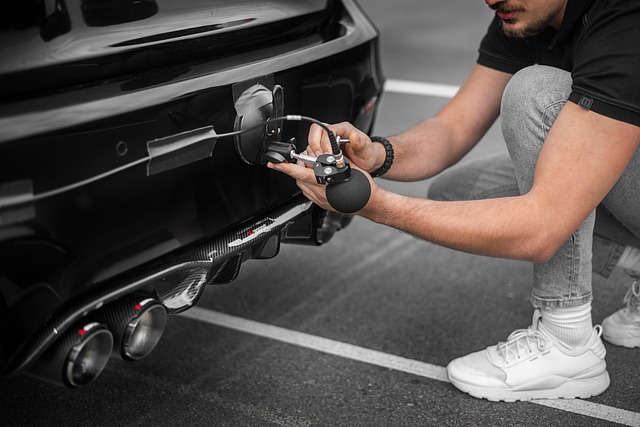
Verifying the Vehicle Identification Number (VIN) is a crucial step in the car registration process in California. This critical task ensures that the vehicle’s history is accurately documented and matches the information provided by the manufacturer. The California Department of Motor Vehicles (DMV) offers several methods for VIN inspection, including both in-person and mobile vin verification options. Utilizing these services enhances the accuracy of your registration, preventing potential issues down the line, such as fraud or misrepresented vehicle conditions.
For instance, when conducting a mobile vin verification, an individual can use their smartphone to access specialized apps that connect them directly to the DMV database. This digital approach streamlines the process, making it accessible and efficient for California residents. Moreover, these apps often provide real-time updates on vehicle history reports, including previous owners, maintenance records, and any reported accidents or recalls associated with the VIN.
It’s important to remember that a valid and accurate VIN is essential for successful car registration in California. Should discrepancies arise during the VIN inspection, it could delay or even prevent registration from proceeding. Therefore, taking the time to ensure the integrity of your vehicle’s identification number through official DMV vin verifier services is paramount. This meticulous approach safeguards against potential legal issues and ensures a smooth registration experience.
Completing and Submitting Your Car Registration Forms

Completing and submitting your car registration forms is a crucial step in the vehicle registration process in California. You’ll need to gather specific documents, including a completed Form MV-5 (Vehicle Registration Application), which requires accurate and up-to-date information about your vehicle. Ensure that all details match the vehicle’s official records, especially the Vehicle Identification Number (VIN). Accurate VIN data is critical, and the California DMV offers a convenient DMV VIN Verifier to assist with this task. This tool cross-references the provided VIN against their database to ensure its validity.
Once your forms are ready, submit them along with required fees to the California DMV. You can choose between traditional mail or more efficient options like online submission through the official DMV website or using a mobile vin inspection and verification service. Mobile verifiers offer convenience by allowing you to verify your VIN and complete registration paperwork from anywhere. These services are particularly useful for those with busy schedules, ensuring a hassle-free experience.
After submitting your application, keep track of your vehicle’s registration status. The DMV will process your forms and notify you when the registration is approved. During this period, ensure all details remain accurate, especially if any changes occur in your vehicle’s ownership or specifications. Timely submission and accuracy are key to avoiding delays and potential penalties.
Registering a car in California involves understanding clear requirements, gathering essential documents, and completing a straightforward process at a DMV office. Key takeaways include verifying your vehicle’s Vehicle Identification Number (VIN) with the DMV using a reliable dmv vin verifier to ensure accuracy and prevent fraud. Completing registration forms accurately and submitting them promptly ensures legal compliance and allows you to hit the road legally. This authoritative guide equips readers with the knowledge and steps needed to navigate the car registration process smoothly and confidently.